
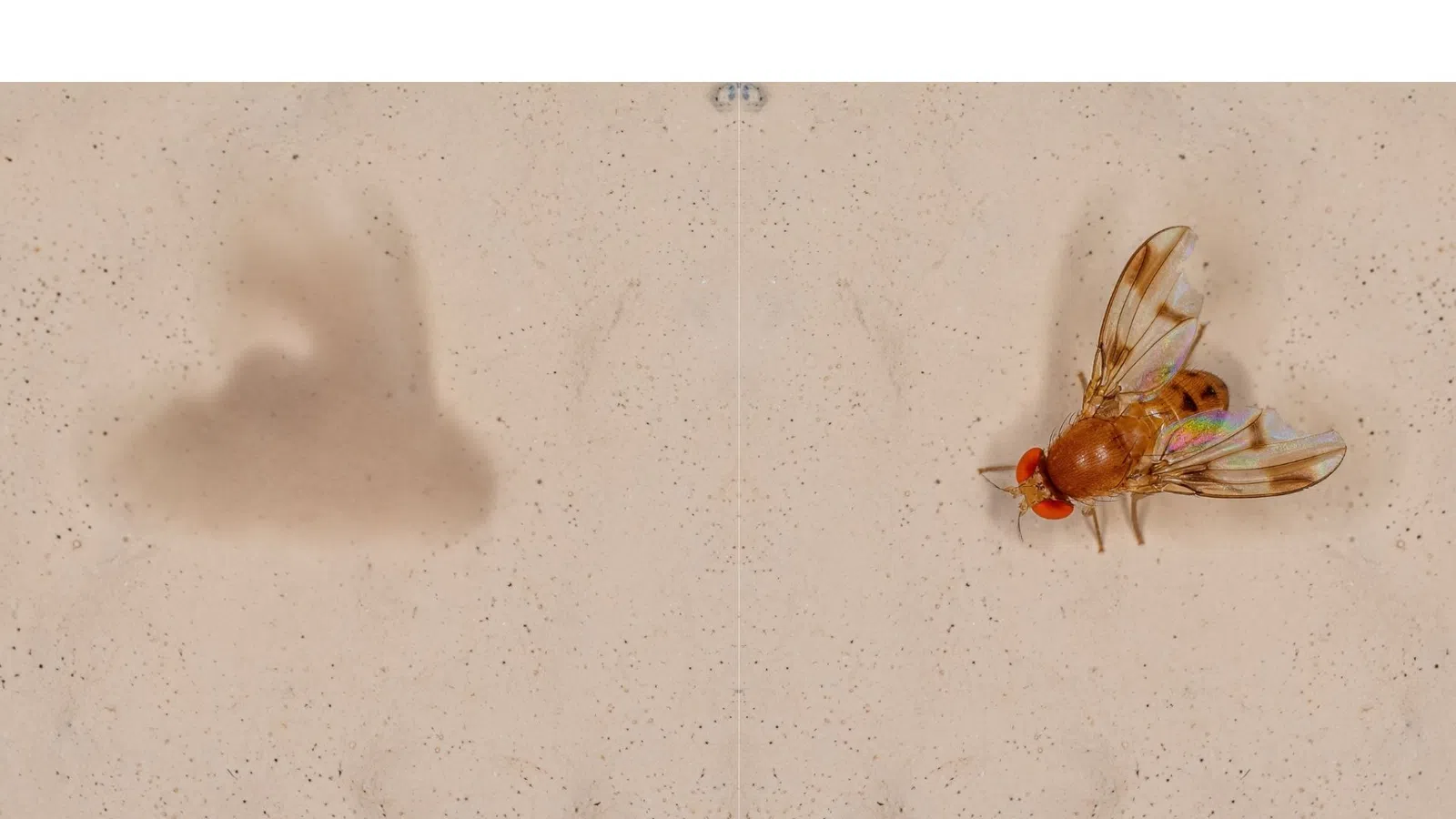
Fruit Flies
Latin name: Drosophila melanogaster
What are fruit flies?
Fruit flies are one of the most common household pests. They belong to the family Drosophilidae and are often found anywhere food is rotting, ripening, or fermenting.
Adult fruit flies are very small, usually about 1/8 of an inch long. They often have tan upper bodies, dark or black abdomens, and red or dark eyes. If you have ever left fruit or vegetables on the counter for too long, you have probably seen fruit flies hovering nearby.
Where will I find fruit flies?
Fruit flies are most often found in kitchens, pantries, trash areas, recycling bins, garbage disposals, drains, and anywhere produce or food waste is present. They are especially attracted to overripe fruits and vegetables, but they can also feed and breed in decaying meat, spilled soda, alcohol, and other moist, fermenting materials.
Because they only need a small amount of organic material to reproduce, fruit flies can breed in places that are easy to overlook, such as sticky spills, residue inside bottles and cans, dirty trash cans, and buildup inside garbage disposals.
Why do I have a fruit fly problem?
Fruit flies become a problem when they find food and moisture inside your home. Overripe fruit, damaged vegetables, food scraps, trash, recycling, spilled drinks, and drain buildup can all attract them.
They can be active indoors year-round, but they are usually more common in late summer and fall when produce is ripening. Once they find a suitable breeding site, fruit flies can multiply quickly.
How fast do fruit flies reproduce?
Fruit flies can reproduce very quickly. A female fruit fly can lay up to 500 eggs, and those eggs may hatch in as little as 30 hours. The full cycle from egg to adult can take about one week, and adult fruit flies can live for up to a month.
Because of this fast life cycle, a small fruit fly problem can turn into a larger infestation in a short amount of time.
Are fruit flies dangerous?
Fruit flies are mostly considered nuisance pests, but they can still contaminate food and surfaces. Since they feed and breed in decaying organic material, they can pick up bacteria and transfer it to food, counters, dishes, and food prep areas.
While they are not typically considered a major health threat, fruit flies are unsanitary and should be addressed quickly once they appear.
How can I help prevent fruit flies?
The best way to prevent fruit flies is to remove the food and moisture sources that attract them. Eat fruits and vegetables before they become too ripe, or store them in the refrigerator. When bringing new produce into your home, inspect it for bruises, soft spots, or damage.
Keep trash cans, recycling bins, and garbage disposals clean. Empty trash regularly, rinse bottles and cans before placing them in recycling, and clean up spills right away, especially soda, juice, alcohol, or other sweet liquids.
Make sure windows and doors are properly screened to help keep adult fruit flies from entering. If you are already dealing with an infestation, keep new fruits and vegetables in the refrigerator until the issue is resolved. Regularly cleaning drains, garbage disposals, trash cans, and recycling areas can help remove hidden breeding sites and prevent fruit flies from returning.
Similar Pests: Housefly, Bottle flies, Blow flies