
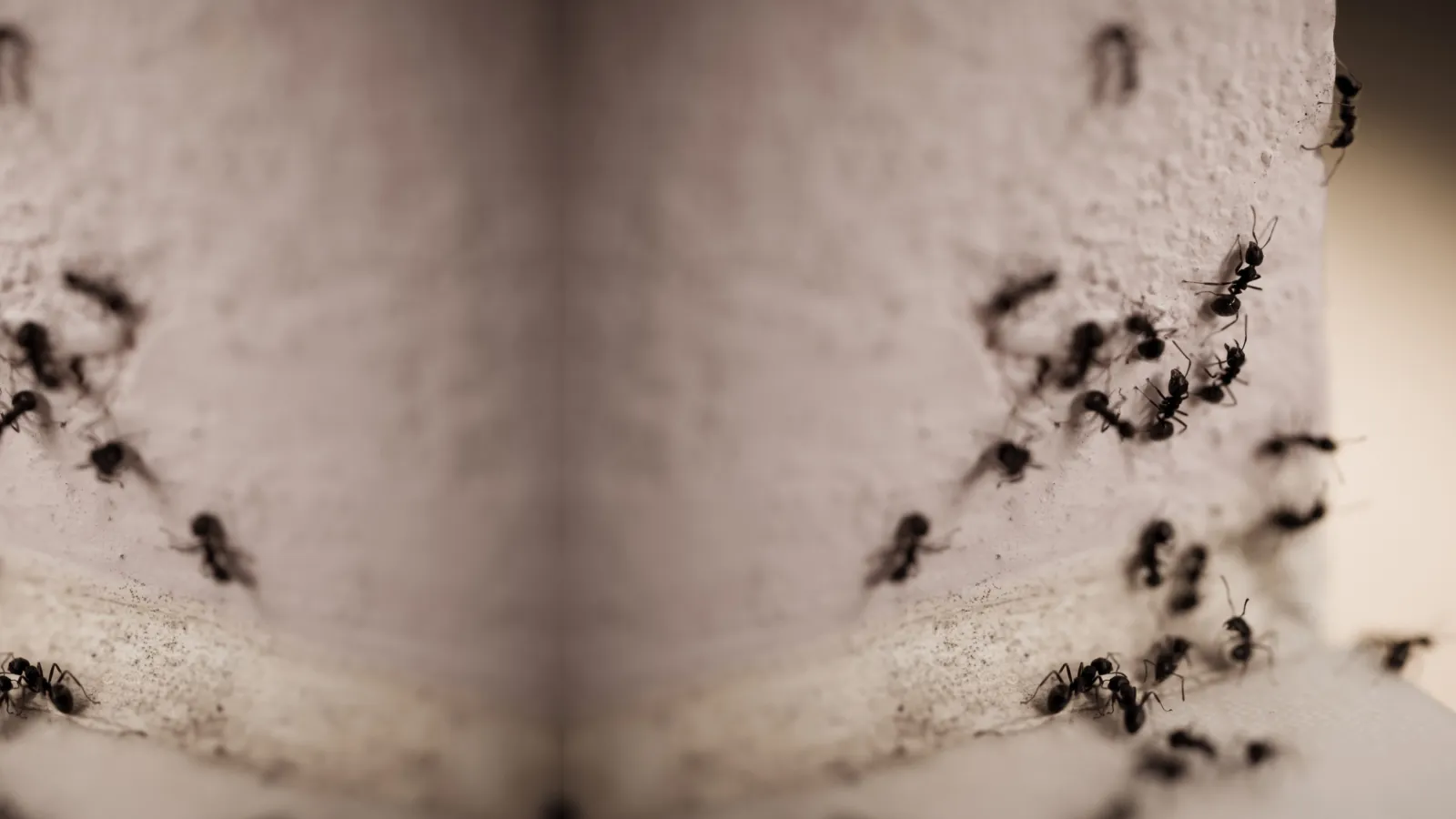
Common Ants
Latin Name: Tapinoma sessile
The United States is home to over a thousand varieties of ants. Here are some of the ants that are most common in our region:
Argentine Ant (Linepithema humile) - Argentine ants are an invasive ant species known for their large colonies and strong communication. Unlike many other ants, Argentine ants from different colonies can often live and move together without fighting. This allows them to form massive colonies and push out native ant species, which can disrupt the local ecosystem.
These ants are small, shiny, and dark brown to black in color. Worker ants are typically about 1/16 of an inch long. One common way to identify Argentine ants is by the wide, well-organized trails they create while foraging. When crushed, they may also give off an unpleasant, musty odor.
Outdoors, Argentine ants are often seen traveling in long trails along sidewalks, fence lines, tree branches, utility lines, and foundation edges as they search for food. They commonly nest in damp soil near building foundations, under rocks, fallen trees, landscape ties, woodpiles, and other protected outdoor areas.
When Argentine ants move indoors, they usually nest in areas close to moisture. Common indoor nesting sites include wall voids, spaces under floors, areas near water pipes or sinks, behind large appliances, and sometimes inside potted plants.
Argentine ants are attracted to properties that provide easy access to food, water, and shelter. They are scavengers and will feed on many different things, but they are especially drawn to sweets and honeydew produced by small garden pests like aphids. Dry weather can also drive them indoors as they search for moisture.
Although Argentine ants can bite, they are not considered a major threat to people. Their biggest concern is the size of their colonies and how difficult they can be to control once established. Inside homes, Argentine ants can contaminate food and spread bacteria across surfaces.
Because Argentine ants are strongly attracted to moisture, their presence in or around your home may also point to a moisture problem.
Acrobat Ant (Crematogaster) - Acrobat ants get their name from the way they lift and curl their abdomen over their body when disturbed. This "acrobatic" movement, along with their heart-shaped abdomen, makes them easier to identify than many other ant species. They are small ants that range in color from light yellowish-brown to black, with the abdomen usually appearing darker than the rest of the body. When threatened, acrobat ants may also release a foul odor.
Outdoors, acrobat ants often nest in tree hollows, stumps, fallen trees, woodpiles, mulch, and other damp or decaying wood. Because these nesting sites are often close to homes and businesses, acrobat ants can easily make their way inside through foundation gaps, utility openings, and spaces around windows and doors.
Inside, acrobat ants prefer damp areas or places that have been damaged by moisture. They are commonly found behind walls, inside insulation, or in spaces that were previously used by termites or carpenter ants. Their presence indoors may be a sign of a moisture issue or water-damaged wood that needs to be repaired.
Acrobat ants are considered nuisance pests and are not a major threat to people. However, they can contaminate food and may damage insulation around electrical wires, which can create a risk of short circuits or fire. Since these ants are often linked to moisture problems, professional pest control and moisture control services can help address both the infestation and the conditions attracting them.
Acrobat ants are attracted to properties that provide easy access to food, water, and shelter. Garbage cans, compost piles, pet food, gardens, mulch, and excess moisture can all draw them closer to your home. Keeping these attractants under control can help reduce the risk of an infestation.
If you notice pavement ants around your home or inside your living space, it is best to act quickly.
Similar Pests: Carpenter Ants, Fire Ants, Pavement Ants
FAQs About Ants
Why do I have ants in my house even though it’s clean?
Ants aren't just looking for crumbs—they're attracted to moisture, sweet smells, and even pet food. A few drops of water, a sticky trash bin, or a gap under a door can invite ants in, even in a spotless home.
What attracts ants the most?
Ants are most attracted to sugars, grease, protein-rich foods, moisture, and accessible entry points like cracks, vents, and plumbing gaps. Scent trails left by ants also attract more ants to the same spot.
Do ants carry diseases?
While ants aren't as dangerous as some pests, they can contaminate food surfaces by tracking in bacteria from trash, drains, or pet bowls. Pharaoh ants are notorious in medical settings because they are highly mobile, difficult to eliminate, and have been documented to carry and transmit harmful bacteria and pathogens. Studies have shown that these ants can contaminate sterile surfaces, instruments, wounds, IV lines, and even patients themselves.
Why do ants suddenly appear after it rains?
Heavy rain can flood underground nests, forcing ants to search for dry ground—often inside homes.
What are the tiny ants in my kitchen?
They're likely odorous house ants, pavement ants, or Pharaoh ants. These tiny ants are attracted to sweet foods and are common in kitchens and bathrooms.