
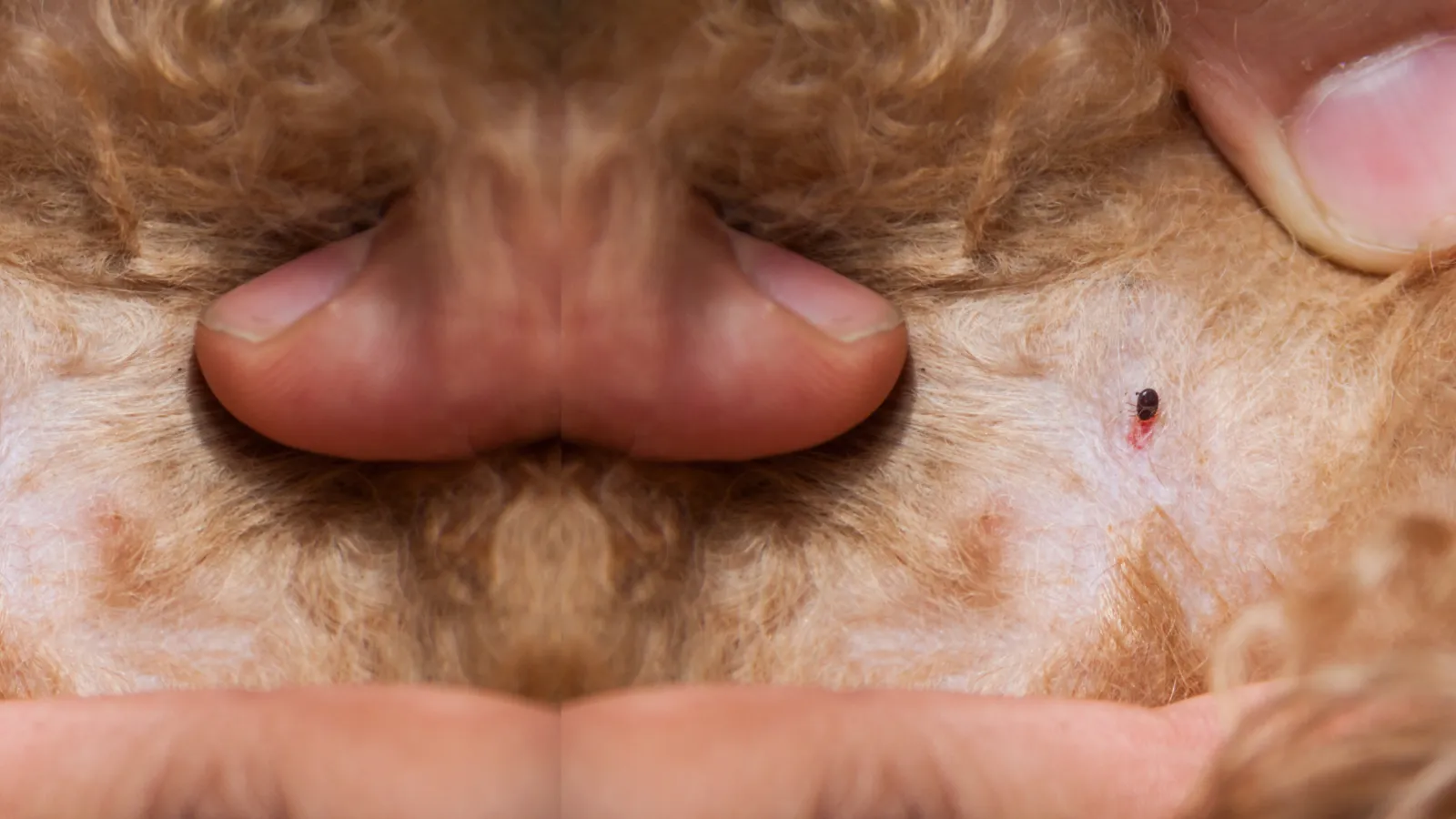
Fleas
Latin Name: Ctenocephalides felis felis
What are fleas?
Fleas are tiny, wingless parasites that feed on the blood of warm-blooded animals. They are usually reddish-brown, shiny, and about the size of a speck of dirt. Although they do not have wings, fleas have powerful back legs that allow them to jump long distances and move quickly through animal fur.
Fleas have hard bodies, piercing mouthparts, and small spine-like hairs that help them stay attached to their hosts. The cat flea is one of the most common flea species and can feed on cats, dogs, wildlife, rodents, and people.
Where will I find fleas?
Fleas are usually found on animals or in areas where animals spend time. Outdoors, they hide in shady, damp areas such as tall grass, under leaves, beneath decks, around shrubs, and in protected soil.
Inside, fleas and their eggs may be found in rugs, carpets, cracks in flooring, behind baseboards, upholstered furniture, pet bedding, and human bedding. Because flea eggs can fall off a host and spread throughout the home, infestations can quickly become widespread.
Why do I have a flea problem?
Fleas can become a problem whether or not you have pets. They often enter properties on wildlife, rodents, stray cats, dogs, or other animals moving through the yard. Once fleas or their eggs fall off an animal host, they can develop in the environment and wait for a new host to pass by.
Fleas can also be brought indoors on pets, used rugs, upholstered furniture, or rodents and wildlife nesting inside a structure. Because fleas reproduce quickly and can complete their life cycle indoors, they can be difficult to control once established.
Are fleas dangerous?
Yes, fleas can pose health concerns for both people and animals. Their bites often leave behind small red spots, usually with a reddish halo, and can cause itching, irritation, and discomfort. On people, flea bites are most common around the legs, ankles, and feet.
Fleas may also transmit tapeworms and certain bacterial diseases. Pets and people allergic to flea saliva can develop flea allergy dermatitis, which causes intense itching and may lead to secondary skin infections. In severe infestations, pets may also become anemic from blood loss.
How fast can fleas multiply?
Fleas reproduce very quickly. A single flea can live on a pet for several weeks and may consume many times its body weight in blood. Female fleas can lay dozens of eggs per day, which means a small flea problem can turn into a larger infestation in a short amount of time.
Because eggs, larvae, pupae, and adults may all be present at the same time, flea control often requires treating both the host animal and the surrounding environment.
How can I help prevent fleas?
To help prevent fleas, vacuum your home often, especially carpets, rugs, upholstered furniture, baseboards, and pet resting areas. Avoid bringing used rugs or upholstered furniture into your home without carefully inspecting them first.
Outside, keep your grass cut short and trim back shrubs and bushes to reduce shaded, damp hiding spots. Remove food sources that attract wildlife, such as open trash containers and bird feeders. Seal openings in your foundation, exterior walls, and roofline to help keep rodents and other animals from nesting inside.
Inspect yourself and your pets for fleas before coming indoors, especially after spending time outside. Pets should be treated with a year-round flea prevention product under the guidance of a veterinarian and should be bathed and groomed regularly.
If fleas are already active in your home or yard, professional flea control can help treat the infestation and reduce the risk of them returning.
Similar Pests: Ticks, Mosquitoes