
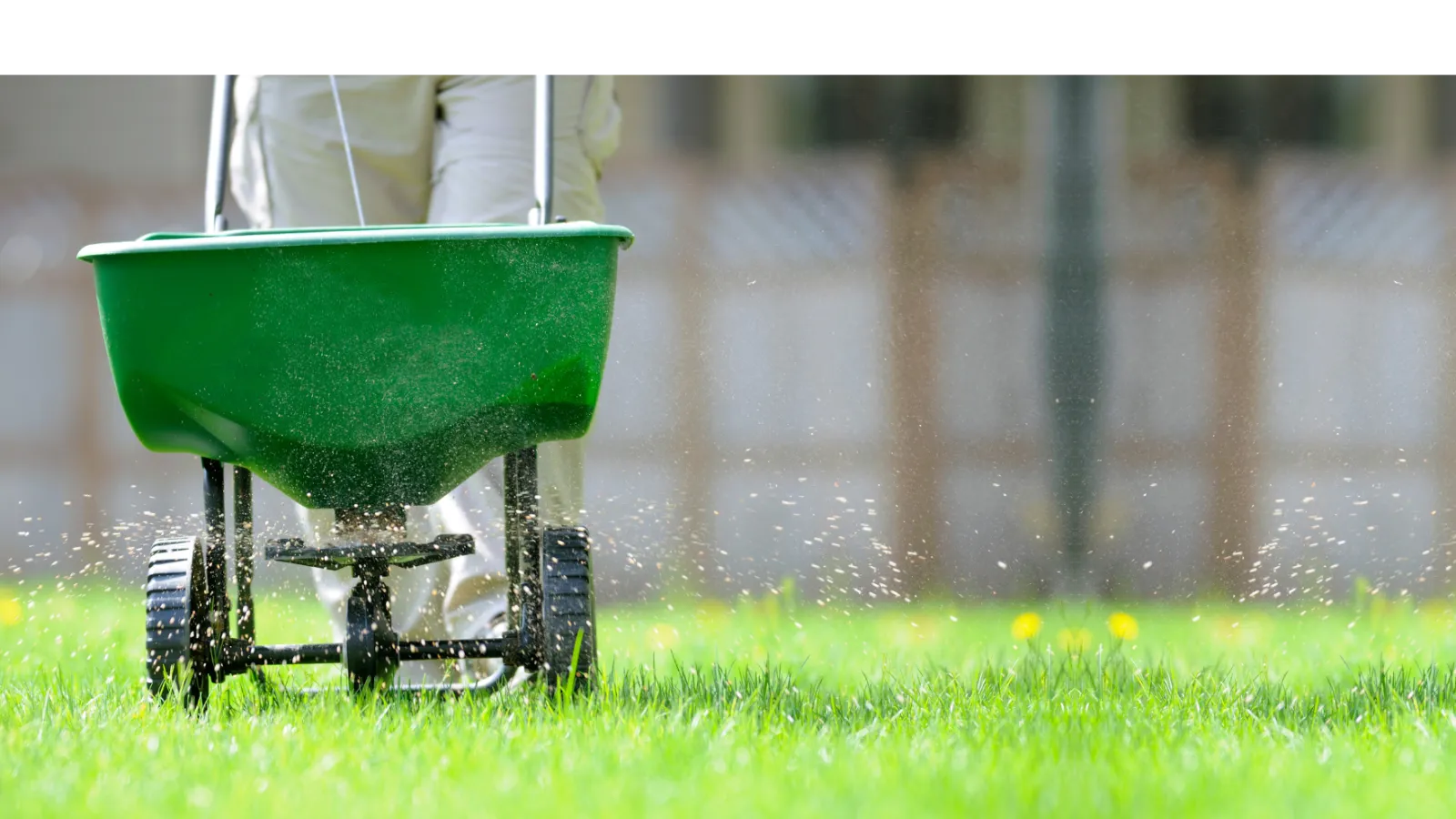
Aeration & Seeding
Have a Thicker & Healthier Lawn.
Core aeration & overseeding relieve compacted soil, fill in thin areas, and promote healthy growth of your Fescue lawn.
Contact Us Today!
Core Aeration & Seeding Services
Restore and strengthen your fescue lawn this fall with expert core aeration and overseeding from PestNow. Serving homeowners throughout Sterling and Prince William, VA, and Brandywine, Baltimore, Crofton, and Montgomery, MD, our proven seasonal treatments help relieve soil compaction, repair summer damage, and encourage thicker, greener growth that lasts all year long.
Importance of Aeration & Overseeding
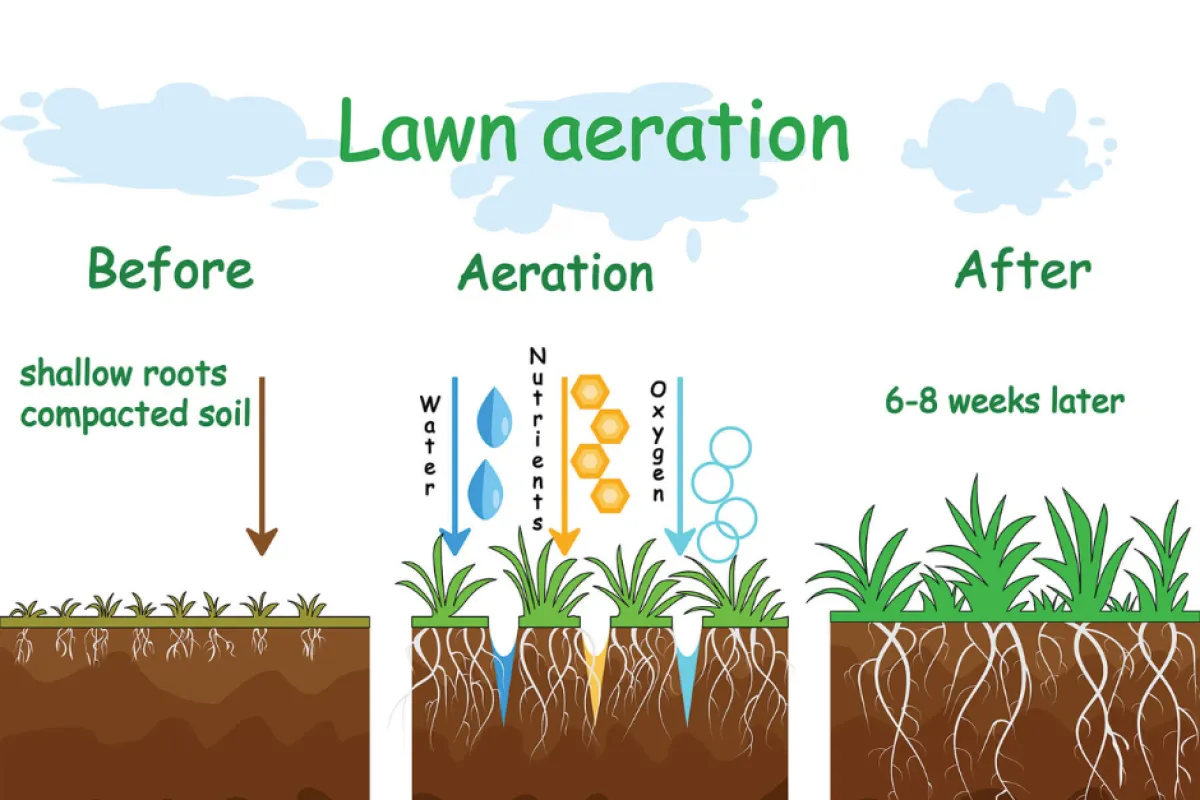
Cool-season grasses face intense stress throughout a typical summer. Heat, humidity, and heavy foot traffic naturally compact the soil over time, suffocating the root system.
Core aeration involves the removal of small plugs of soil from the lawn, which relieves this compaction and allows vital air, water, and nutrients to reach the roots more effectively
Because tall fescue grows in clumps, it cannot spread or naturally repair thin areas on its own
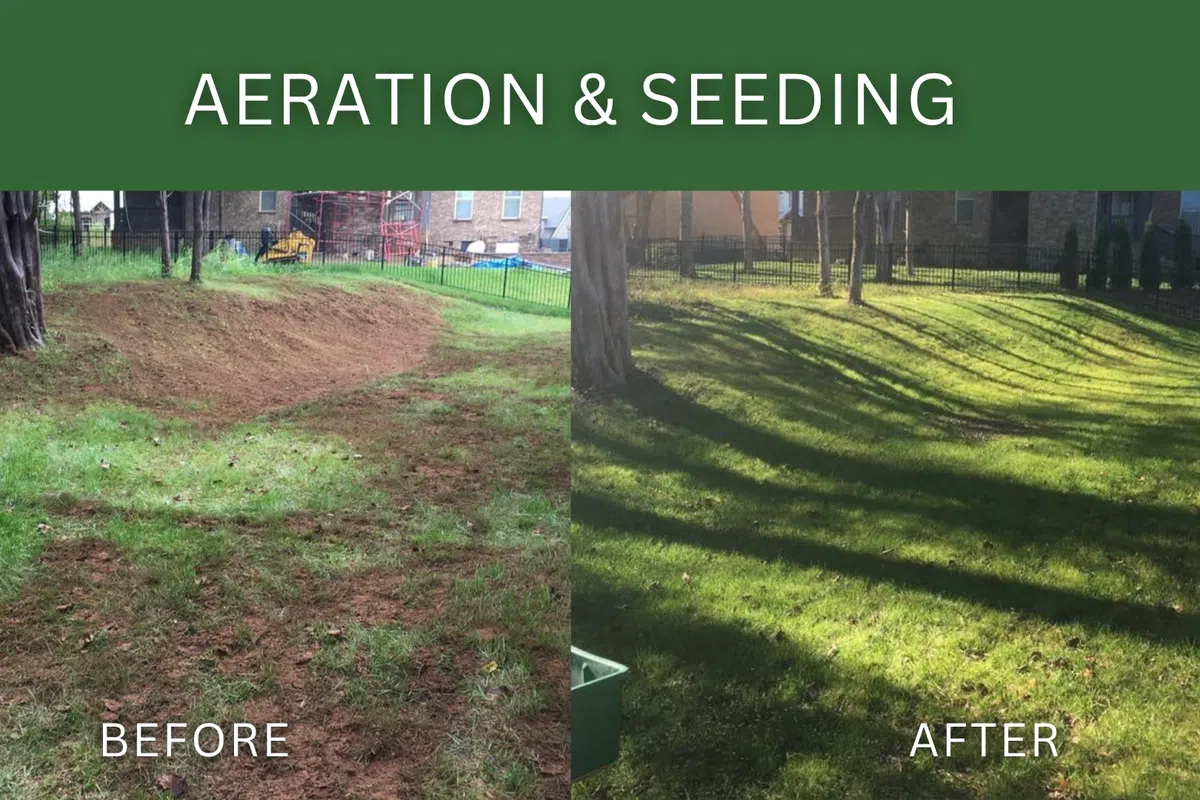
Aerate & Overseed in the Fall Months
Fall provides the most favorable conditions for new fescue seed to establish a deep, robust root system before the freezing temperatures of winter arrive
- Reduces severe soil compaction
- Improves the flow of air, water, and essential nutrients directly to the root zone
- Fills in thin, bare, or brown patches caused by summer stress
- Promotes healthier, deeper root growth
- Enhances your turf's overall resilience to future heat, drought, and heavy foot traffic
- Maintains a healthy, dense lawn that naturally crowds out invasive weeds

Aeration & Seeding Questions
Answered
Free Expert Advice
What is core aeration and overseeding?
Core aeration removes small plugs of soil from the lawn, helping alleviate soil compaction and allowing air, water, and nutrients to penetrate deeper into the root zone
Why is overseeding so crucial for Fescue grass?
Unlike spreading grasses, fescue grows in clumps and will not repair itself
When is the best time of year to aerate and seed my lawn?
Fall is the best time to plant fescue grass seed in the Mid-Atlantic area
What kind of grass seed do you use?
We use a custom fescue seed blend, not avaliable to the public, and known for outperforming generic options found in big-box stores
Should I mow my lawn before you aerate and seed?
Yes, it is recommended to mow your lawn slightly shorter than usual (around 2 inches) and bag the clippings before we arrive. This allows the seed to make better contact with the soil.
How often do I need to water my lawn after it has been seeded?
New seed needs consistent moisture to germinate. You should water the lawn lightly every day—sometimes twice a day if it is warm—until the new grass is established, and then transition to watering deeply and infrequently.
Why does fescue need aeration and seeding?
Unlike warm-season grasses, which spread via runners to fill in bare spots, Fescue is a "bunch-type" grass. It grows in clusters and cannot naturally repair large bare patches or thin areas on its own. Overseeding introduces new grass plants to thicken the turf. Aeration relieves soil compaction, lets roots breathe, and creates holes in the ground that provide a protected environment for new fescue seeds to germinate.
Which comes first: aeration or overseeding?
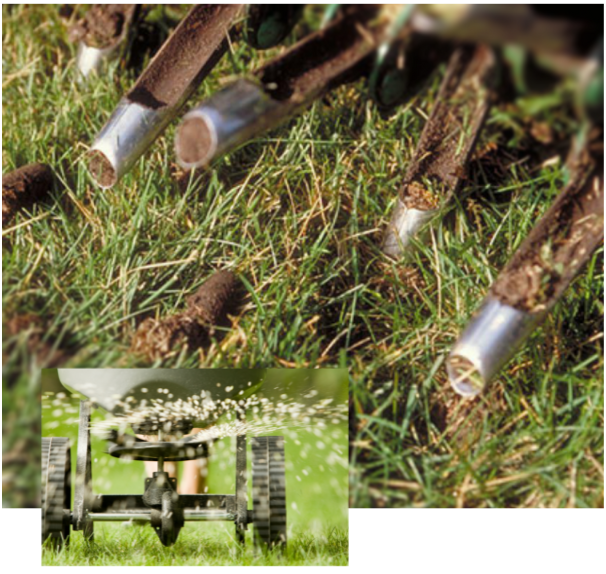
PestNow always aerates first. The goal is to pull 2- to 3-inch soil plugs from the lawn, leaving hundreds of holes per square yard. When you broadcast the fescue seed afterward, the seeds fall into these holes. This guarantees excellent seed-to-soil contact and protects the seed from birds and heavy rain runoff.
Do I need to clean up the soil plugs?
No. Leave the soil cores on the lawn. Over the next two to four weeks, normal weathering, watering, and mowing will break the plugs down, returning valuable topsoil and microbes directly to the root zone.
How long does fescue take to germinate?
Under Fall ideal conditions, Tall Fescue seed takes 7 to 14 days to germinate. You will typically see thin, needle-like green sprouts emerging from the aeration holes first.
When can I mow the lawn again after aeration & seeding?
Wait until the existing grass is somewhat overgrown and the new grass seedlings have reached at least 3 inches tall (usually 3 to 4 weeks after seeding). Ensure your mower blades are freshly sharpened so they cut cleanly rather than tearing the delicate new blades.