High Contrast Mode:

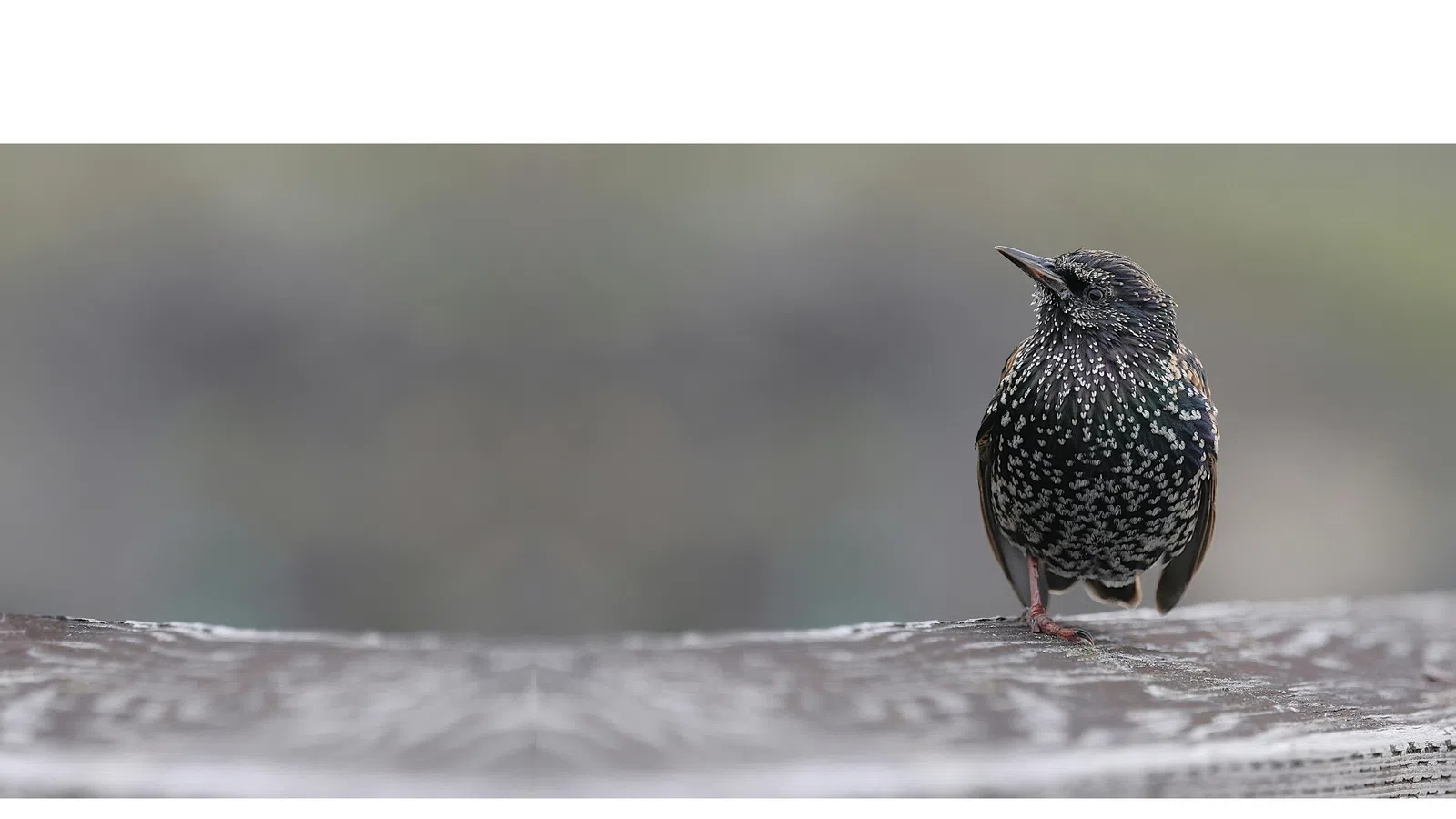
Starling bird perched on a weathered wooden surface with a soft blurred background.

Birds

Latin Name: Sturnus vulgaris

Bird invasions in the D.C., Maryland, North Carolina, and Virginia area pose serious health and safety risks for homeowners and businesses, extending far beyond the annoyance of chirping and scratching noises. As outlined in the PestNow file, nuisance birds are known carriers of over 60 transmissible diseases, including psittacosis ("parrot fever") and histoplasmosis, a severe respiratory infection caused by inhaling spores found in bird droppings. Their nesting materials and droppings can also harbor Salmonella and mold, negatively affecting indoor air quality.


Beyond disease transmission, birds cause severe property damage and safety hazards. They frequently introduce parasites, such as biting mites, into homes and businesses. Because birds construct their nests using highly flammable materials like dried leaves and twigs, nests built near electrical wiring, HVAC systems, or vents dramatically increase the risk of property fires.

Common Problem Birds in the DMV

  • Pigeons (Rock Doves): Congretating heavily around city centers, monuments, and bridges in Washington, D.C., pigeons are highly destructive to property. Their droppings are highly acidic, which rapidly defaces building exteriors and degrades structural materials. These droppings also quickly clog gutters and create dangerous slip-and-fall hazards on public sidewalks and commercial walkways.
  • European Starlings: These invasive birds are highly adaptable to urban environments and frequently utilize human-made structures for roosting. Gathering in massive, deafening flocks, starlings actively force their way into attic vents, building crevices, and roof soffits to build their nests, leaving behind heavy, unsanitary messes that can ruin insulation and drywall.
  • House Sparrows: Though small, house sparrows are aggressive, non-native pests that actively drive away and crowd out native cavity-nesting birds, such as bluebirds. They are notorious for building sprawling, messy nests inside retail vents, commercial signage, and tight architectural crevices, which can block airflow and create fire hazards.

Professional Prevention and Control

Securing your property involves identifying structural vulnerabilities, safely removing existing nests, and installing long-term deterrents such as bird netting, vent covers, and roosting spikes. Prompt action is necessary to protect your property's structural integrity, prevent fire hazards, and safeguard the health of your family or employees.