Natural Tick Prevention Tips
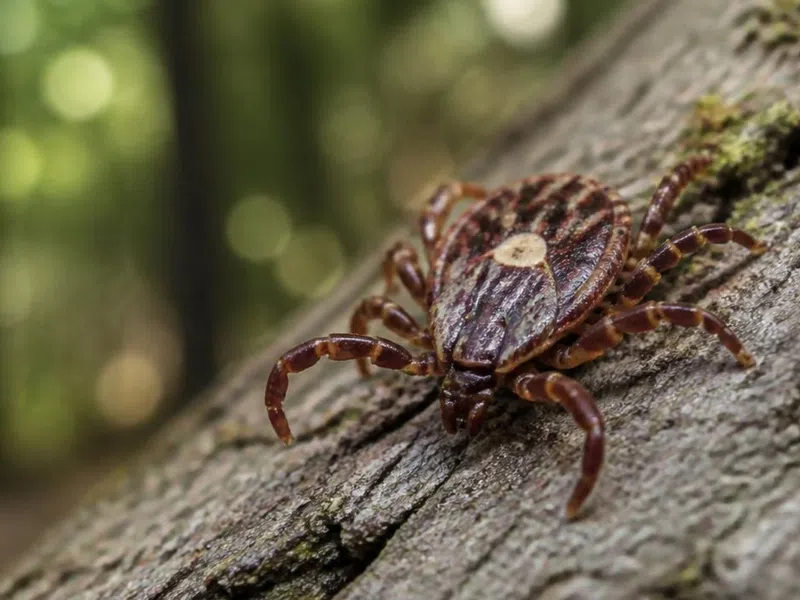
Ticks are a common concern for homeowners across North Carolina, Virginia, West Virginia, Maryland, and Washington, DC. Whether you live near wooded areas, have pets that spend time outside, or simply enjoy your backyard, ticks can quickly make outdoor time stressful.
Ticks are more than just a nuisance. Some species can spread illnesses such as Lyme disease and Rocky Mountain spotted fever, making prevention an important part of protecting your family and pets. While professional tick control is one of the most effective ways to reduce tick activity around your property, there are also natural steps you can take to make your yard less inviting.
Keep Your Lawn Cut Short
Ticks like tall grass, weeds, and overgrown areas because these spaces provide shade and moisture. Keeping your lawn mowed regularly can help reduce the places where ticks hide. Pay close attention to the edges of your yard, fence lines, and areas near wooded spaces, since ticks often move in from those locations.
Trimming shrubs, cutting back low branches, and removing overgrown vegetation can also help create a drier, sunnier yard. Since ticks prefer cool, damp areas, opening up your landscape to more sunlight can make your property less attractive to them.
Clear Leaves, Brush, and Yard Debris
Leaf piles, brush, woodpiles, and heavy ground cover can all create ideal hiding spots for ticks. Regular yard cleanup is one of the simplest ways to lower tick activity naturally.
Rake leaves, remove grass clippings, and keep brush piles away from patios, play areas, and pet zones. Firewood should be stacked neatly and kept dry, preferably away from the home and off the ground. These steps can also help reduce rodents, which may carry ticks onto your property.
Create a Barrier Between Your Yard and Wooded Areas
If your property backs up to woods, tall grass, or natural areas, adding a barrier can help reduce tick movement into the parts of the yard your family uses most. A strip of gravel, mulch, or wood chips between the lawn and wooded areas can create a dry zone that ticks are less likely to cross.
This is especially helpful around playgrounds, patios, dog runs, gardens, and outdoor seating areas. The goal is to separate high-use spaces from the shaded, brushy areas where ticks are more likely to live.
Choose Tick-Repelling Plants
Some plants are believed to help discourage ticks because of their strong scents. Lavender, rosemary, sage, mint, and chrysanthemums are popular options for homeowners who want to add natural tick prevention to their landscaping.
These plants can be placed near walkways, patios, decks, and garden borders. While plants alone will not solve a tick problem, they can be a helpful part of a larger prevention plan. Just be careful with mint, since it spreads quickly and is often best kept in containers.
Protect Kids and Pets After Outdoor Time
Even with a well-maintained yard, ticks can still be picked up during outdoor play, hikes, walks, or time spent near wooded areas. After being outside, check children and pets carefully for ticks. Common hiding spots include behind the ears, around the waistband, underarms, ankles, behind the knees, and between toes.
For pets, regular brushing can help you spot ticks before they attach. It is also a good idea to wash pet bedding often and keep outdoor toys, blankets, and shoes off the floor when brought inside.
Dress Smart When Spending Time Outdoors
Clothing can make a big difference when you are in areas where ticks may be active. Light-colored clothes make ticks easier to spot. Long sleeves, long pants, and closed-toe shoes can also help reduce skin exposure.
When walking through tall grass, trails, or wooded areas, tuck pants into socks and shirts into pants. It may not be the most stylish look, but it can help keep ticks from reaching your skin.
Use Natural Repellents Carefully
Some homeowners use natural repellents made with ingredients like cedarwood, eucalyptus, or lemongrass oil. These may help repel ticks from clothing, shoes, or outdoor gear. However, they should always be used carefully and according to label directions.
Do not apply essential oils directly to pets unless approved by a veterinarian. Some oils that are safe for people can be harmful to dogs or cats. It is also smart to test products on a small area first to avoid skin irritation.
Know When Natural Prevention Is Not Enough
Natural tick prevention can help reduce the chances of ticks taking over your yard, but it may not completely eliminate the problem. If you continue finding ticks on your pets, clothing, or around your home, it may be time for professional help.
PestNow provides flea and tick control services designed to target the areas where ticks hide and travel. Our team can inspect your property, identify high-risk areas, and recommend a treatment plan based on your yard, your concerns, and the needs of your family and pets.
Get Help with Tick Control from PestNow
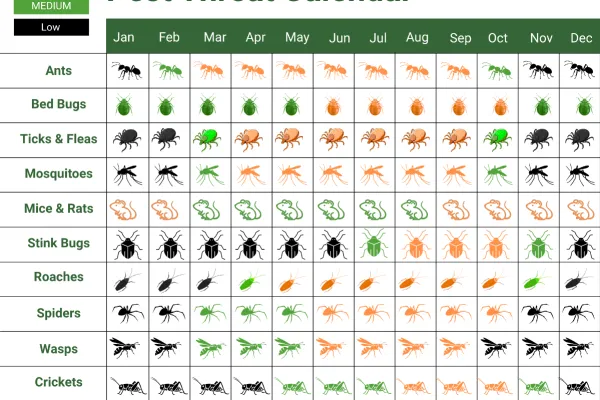
Homeowners across North Carolina, Virginia, West Virginia, Maryland, and DC deal with tick pressure throughout much of the year, especially during warmer months. A clean yard, smart landscaping, routine tick checks, and professional tick control can work together to help protect your outdoor space.
With PestNow, you can enjoy your yard with more confidence and fewer worries about ticks.