
Reliable Flea, Tick, & Mosquito Control
Get Started Now!
Take Back Your Backyard
Don't let itchy bites and dangerous pests ruin your summer fun. In Crofton, our warm and humid weather is perfect for mosquitoes, fleas, and ticks to take over your yard. These aren't just annoying—they can carry diseases like Lyme Disease and West Nile Virus that put your family and pets at risk.
How Does Yard Guard Work?
1: Stopping Pests Before They Hatch
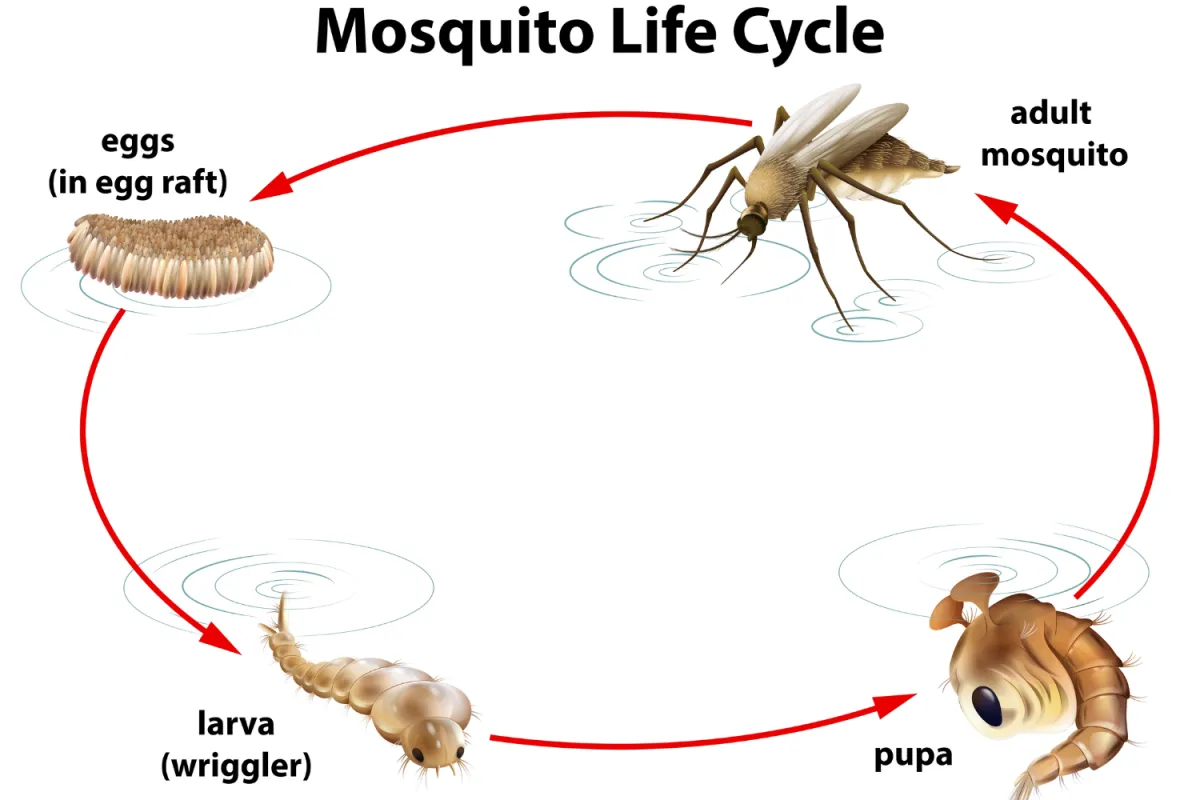
The first goal is to find where mosquitoes and ticks like to hide and breed. A technician carefully inspects the property for "hot spots" like clogged gutters, birdbaths, tire swings, and low spots in the grass where water collects.
Once these areas are found, they treat the water with EPA-approved products that stop baby mosquitoes from growing into adults. They also give homeowners helpful tips on how to fix drainage issues or clear out leaf litter to make the yard less attractive to bugs.
2: Clearing the Air and Creating a Barrier
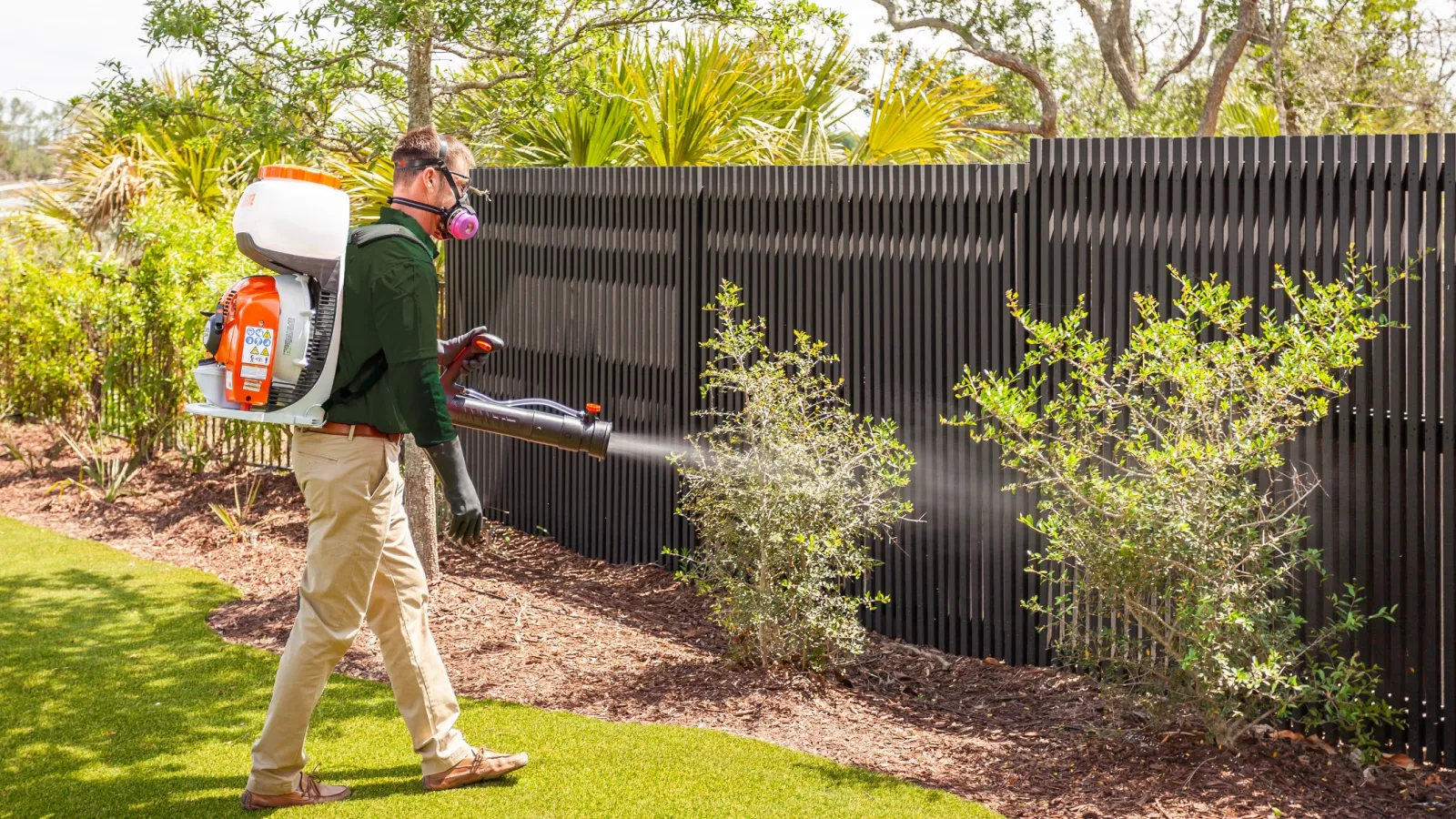
After addressing the breeding sites, the team uses a professional power mist blower to treat the areas where adult pests hide during the day. This includes dense bushes, tall grass, and the dark spaces under decks and porches.
This treatment works in two ways: it knocks down any adult pests on contact and leaves behind a protective shield. This barrier continues to work between visits, preventing new bugs from moving back into the yard. To provide the best results, this Seasonal Yard Guard service includes seven monthly visits from April through October.
Fleas, Mosquitoes & Ticks
Ticks here can spread Lyme disease, Rocky Mountain spotted fever, and ehrlichiosis. Yard Guard targets leaf litter, wooded edges, and shaded covers with deep, targeted applications. We plan around local species: black-legged (deer) ticks, American dog ticks, and lone star ticks.
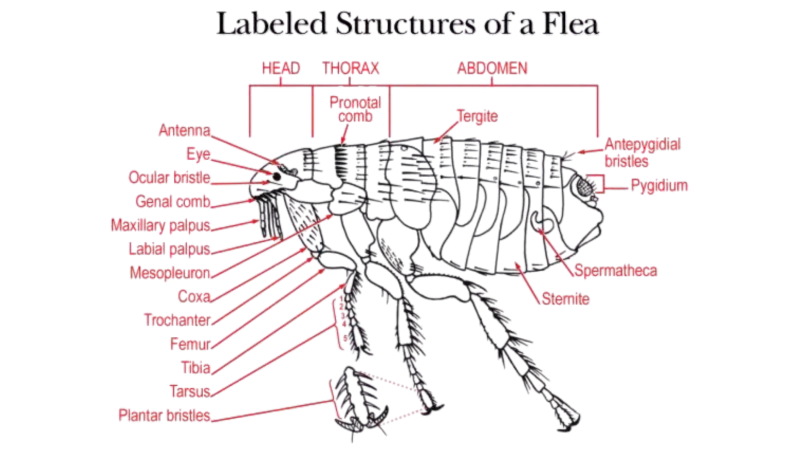
Fleas thrive in shaded, humid pockets—tall grass, mulch beds, leaf litter, and beneath decks. Wildlife (raccoons, opossums, rodents) can seed new populations. Monthly treatments disrupt the life cycle for effective flea control.
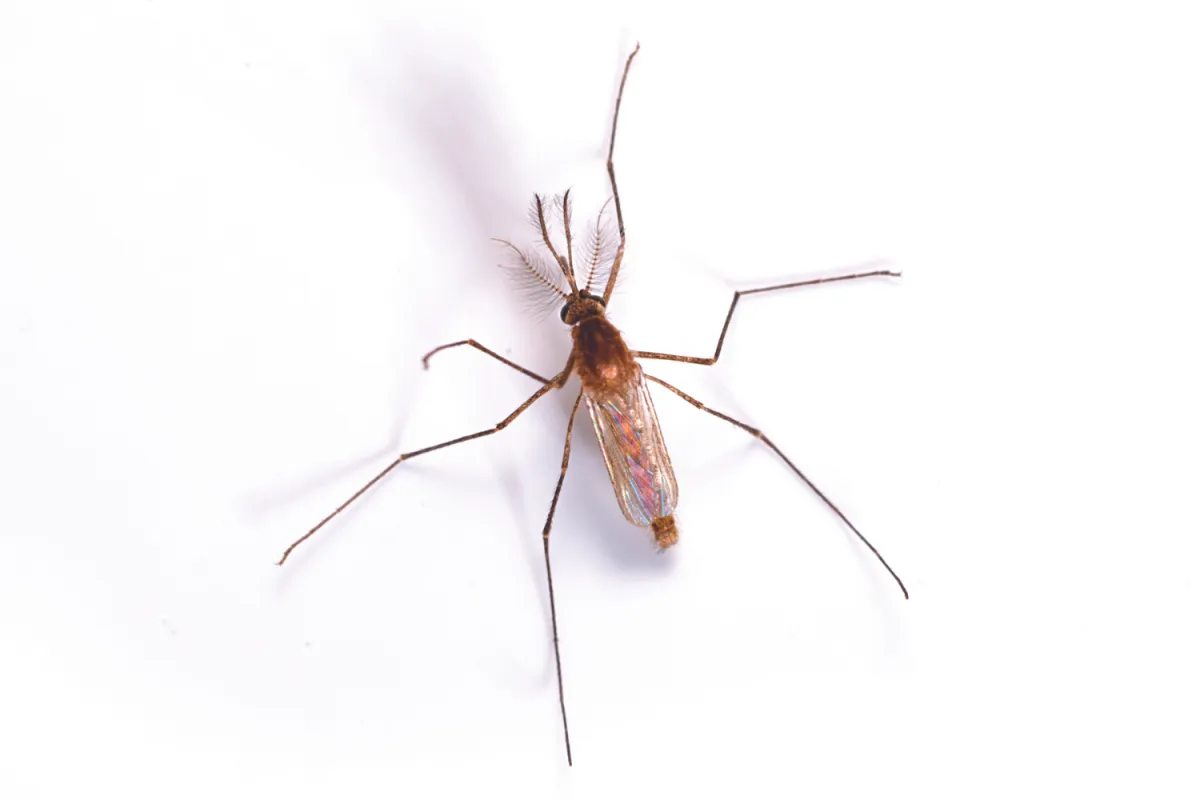
We apply larvicides to breeding sites and mist resting areas for rapid mosquito reduction. Ongoing, monthly service helps reduce exposure to mosquito-borne risks, including West Nile, Zika, and dengue. Not to mention your comfort. Take your outdoor space back with PestNow's Yard Guard Program.

Best Pest Control in Crofton
Professionals who know Sterling landscaping, greenway edges, and drainage patterns
IPM approach with EPA-approved products
Pollinator-conscious practices (avoid blooms; target resting sites)
Fast scheduling, clear pricing, online checkout
Option to bundle with other PestNow services
What to expect with Yard Guard
Keep kids and pets indoors until treated areas are dry; we'll advise re-entry timing (often 30-60 minutes depending on weather).
We schedule around heavy rain; once dry, residues bind to foliage for ongoing effectiveness.
We avoid edible plants and blooming flowers; we'll set buffer zones around gardens and pollinator beds.
Flea, Tick, & Mosquito Questions
Answered
When do you spray for fleas, ticks, and mosquitoes in Crofton?
We apply monthly treatment from April to October, designed for about 30 days of protection between services.
How soon can you start after I sign up?
We typically schedule the first visit within a few business days; spring fills fast—book early for preferred times.
What's covered?
Mosquitoes, ticks, and fleas. Gnats/no-see-ums may be reduced in treated zones, but aren't guaranteed.
Do you larvicide or just spray plants?
Both. We larvicide breeding water (as appropriate) and mist resting vegetation/structures.